Ramen
Good for solo meals and neighborhood exploring; do not judge the whole category by one viral shop.
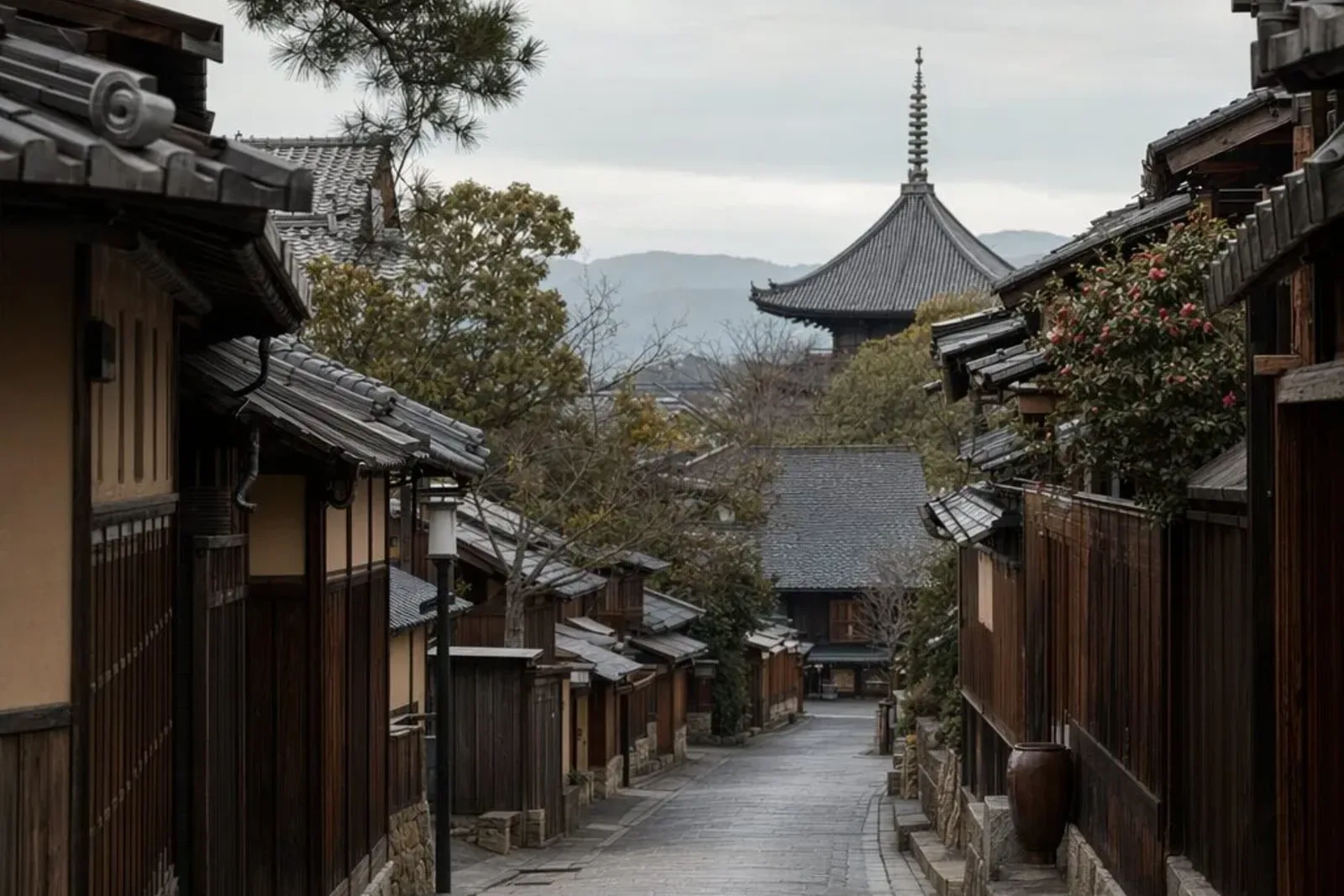
A first-timer Japan checklist for what to pack, what to eat, and how to handle cash, cards, IC cards, and train days.
This page is intentionally static. Use it before booking, then verify current payment acceptance, local transport rules, prices, closures, and entry details near departure.
Japan is easy to enjoy when the basics are handled before arrival. The trip does not need an aggressive packing list, but it does need comfortable shoes, payment redundancy, and realistic train logistics.
Food planning should stay flexible. A few targeted meals are useful, but Japan rewards neighborhood wandering, station food, food halls, and low-pressure restaurants just as much as famous bookings.
Reviewed 2026-06-27
Static planning guidance. Verify current payment acceptance, transit card rules, ATM fees, opening hours, local closures, and entry requirements before departure.
Keep the bag focused on the country, season, and route shape instead of rare edge cases.
Treat these as useful route anchors, not a rigid list that makes every meal feel mandatory.
Good for solo meals and neighborhood exploring; do not judge the whole category by one viral shop.
Try a range from casual conveyor-belt spots to a reserved counter if the budget supports it.
Strong Osaka/Hiroshima-style food experiences that fit casual evenings.
Useful when the route needs easier, lighter meals between temples and trains.
Practical for jet-lag nights, train picnics, and travelers who want choice without pressure.
Payment acceptance varies by city, merchant, machine, card network, and date. Use this as the backup plan to verify before departure.
Keep cash for small restaurants, local shops, temples, older machines, and rural stops.
Often useful in hotels, department stores, larger restaurants, and many city shops.
Suica, PASMO, ICOCA, and similar cards can simplify trains, buses, lockers, vending machines, and convenience stores.
Useful where contactless or mobile IC support works, but setup and card compatibility should be checked before departure.
Plan at least one reliable ATM option after arrival instead of assuming every machine accepts foreign cards.
No. Cards are useful in many places, but cash remains a practical backup for small restaurants, local shops, temples, and some machines.
Only if the route math supports it. A compact Tokyo and Kyoto route often needs exact ticket comparison before any pass purchase.
Comfortable shoes and a compact day bag matter more than most specialty gear because first trips involve stations, stairs, and long walking days.
Pair country essentials with checks for hotel location, transfer risk, timed tickets, rail passes, and hidden package costs.