Roman pastas
Cacio e pepe, carbonara, amatriciana, and gricia are better anchors than generic tourist pasta.
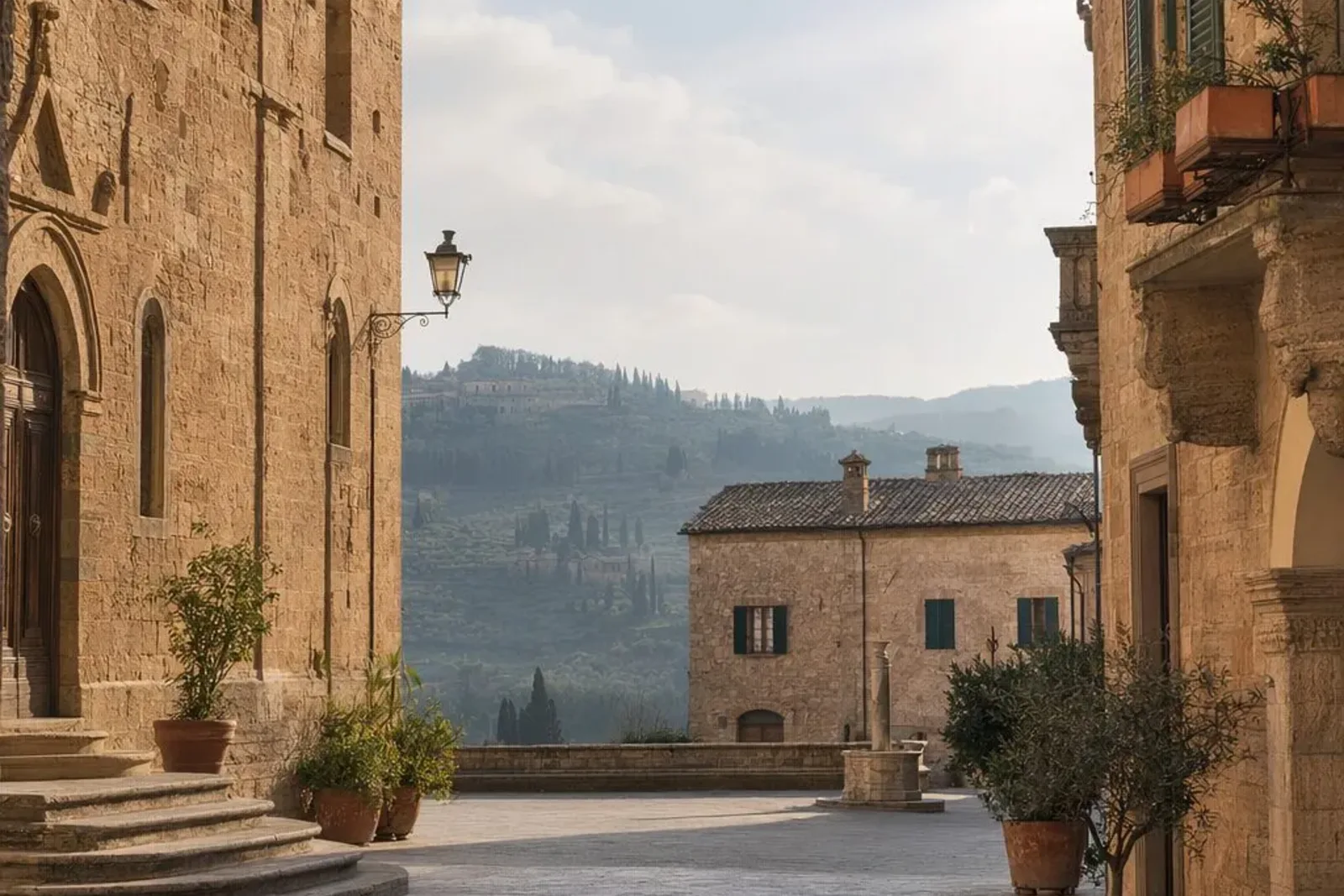
A practical Italy checklist for cobblestones, church visits, regional food, euros, cards, and train-based first trips.
This page is intentionally static. Use it before booking, then verify current payment acceptance, local transport rules, prices, closures, and entry details near departure.
Italy is easier when the route is slower than the wish list. Packing should support walking, religious-site rules, train days, and heat management rather than rare edge cases.
Food is one of the main reasons to go, but the best plan is regional. A traveler gets more from matching meals to the city than from chasing the same dishes everywhere.
Reviewed 2026-06-27
Static planning guidance. Verify current payment acceptance, transit card rules, ATM fees, opening hours, local closures, and entry requirements before departure.
Keep the bag focused on the country, season, and route shape instead of rare edge cases.
Treat these as useful route anchors, not a rigid list that makes every meal feel mandatory.
Cacio e pepe, carbonara, amatriciana, and gricia are better anchors than generic tourist pasta.
Naples-style pizza is worth a specific meal; elsewhere, look for regional styles rather than one universal standard.
Choose shops with seasonal flavors and covered tubs when possible.
Tagliatelle al ragu, tortellini, and mortadella make Bologna a strong food base.
Use these for lighter evenings instead of booking a heavy restaurant every night.
Payment acceptance varies by city, merchant, machine, card network, and date. Use this as the backup plan to verify before departure.
Keep small cash for markets, older cafes, local buses, tips, and occasional card outages.
Widely useful in hotels, restaurants, stores, museums, and train booking.
Often useful where contactless terminals are available, but always keep a physical card.
Some local payment setups may behave differently from international cards; carry a backup card.
When a terminal offers home currency or euros, euros are usually the cleaner choice.
Cards are widely useful, but small euros remain practical for markets, cafes, buses, tips, and occasional terminal problems.
A light shoulder cover or scarf is useful, especially in warmer months when normal sightseeing clothes may not meet entry expectations.
Not for the main cities. Trains are usually cleaner for first trips, while cars only make sense for specific countryside segments.
Pair country essentials with checks for hotel location, transfer risk, timed tickets, rail passes, and hidden package costs.